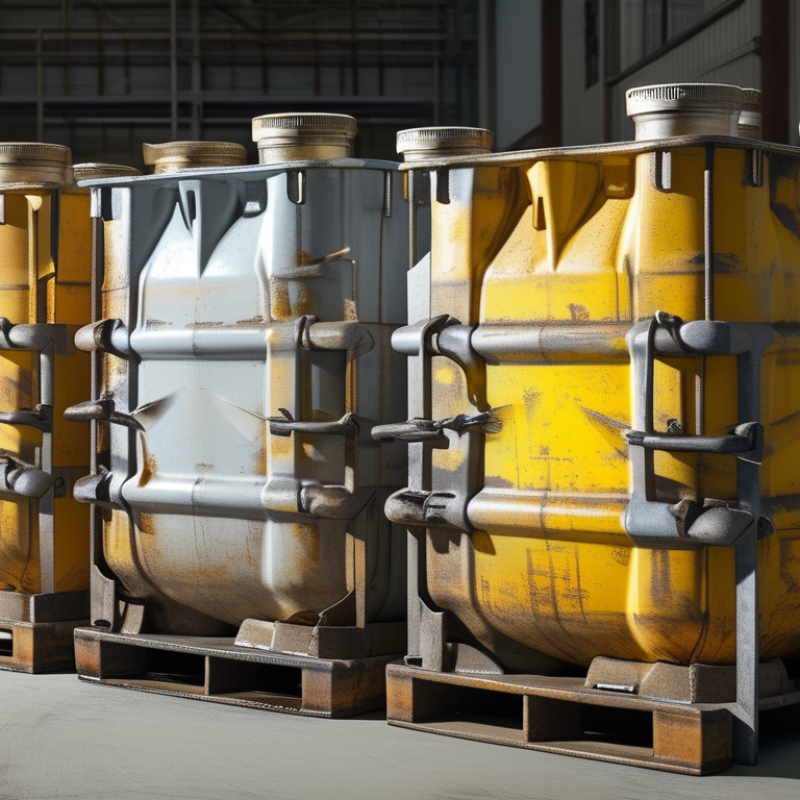
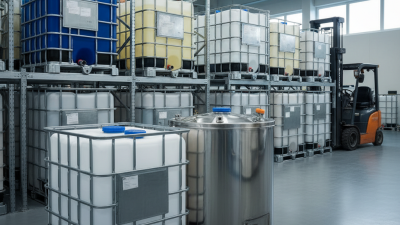
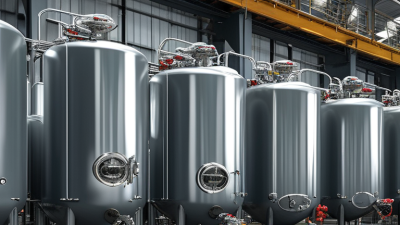
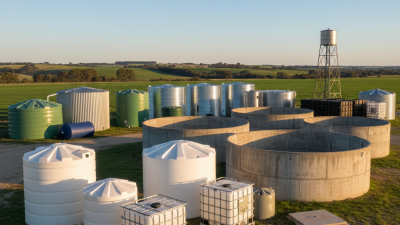
A tote tank is a reusable container designed to store and transport liquids, powders, or semi-solid materials. Most models use a rigid plastic bottle inside a protective metal cage. Common capacities range from 275 to 330 gallons. The compact footprint fits neatly on a standard pallet.
“Tote tanks work best when their design matches the material, handling method, and cleaning routine,” says packaging specialist Tom Reddon. This practical view matters. A tote tank is not simply a large container. Its valve, cap, liner, pallet base, and cage all affect safe performance. A food-grade model may require different materials than one used for industrial water or non-hazardous chemicals.
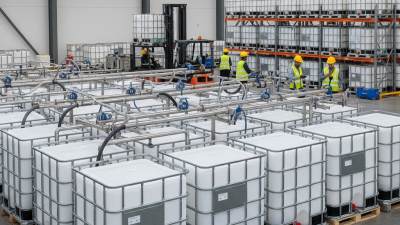
In real facilities, workers may move a tote tank with a forklift, pallet jack, or loading dock equipment. They may connect a hose through the bottom valve. Small details matter here. A damaged cage can expose the bottle to impact. An unsuitable valve can cause leaks, slow filling, or difficult dispensing. Temperature, viscosity, storage time, and cleaning access also deserve attention.
The term sounds simple.
Yet selection is rarely simple.
This guide explains what a tote tank is, how it is used, and where its limits appear. It also considers inspection, handling, reuse, and storage practices. Some recommendations vary by material and site conditions. That uncertainty should not be ignored. A careful buyer checks the manufacturer’s specifications, current safety requirements, and the container’s previous service history before making a final decision.
What Is a Tote Tank and How Is It Used?
A tote tank is a large, portable container designed to store and move liquids. In industrial settings, it is often called an intermediate bulk container, or IBC. Many models hold about 1,000 to 1,250 liters. The container usually has a rigid plastic inner tank, a metal cage, and a pallet-style base. This structure supports safer lifting with forklifts or pallet trucks.
Core characteristics include a top filling opening, a bottom discharge valve, and a protective cap. The inner material must match the stored liquid. Water, food ingredients, cleaning solutions, and industrial fluids may require different tank specifications. A tank suitable for one liquid may react poorly to another. That detail is easy to underestimate.
A tote tank saves floor space because its rectangular shape allows stable stacking when approved by the manufacturer. Its standard dimensions also simplify warehouse planning and transport. Before use, operators should inspect the cage, seams, valve, cap, and identification label. Small cracks can become serious leaks. Cleanliness matters too, especially when the tank handles sensitive liquids. Reusable tanks need documented inspection and proper cleaning, not just a quick rinse. In practice, convenience can encourage rushed handling. That is where mistakes begin. Temperature, pressure, lifting limits, and local safety requirements should always be checked before filling or moving the container.
What Is a Tote Tank and How Is It Used?
A tote tank, often called an intermediate bulk container, stores and transports liquids in large quantities. Its most common construction uses a rigid HDPE inner bottle, a galvanized steel cage, and a plastic or steel pallet base. The bottle resists moisture and many chemicals. The cage protects it from impact during handling. The pallet allows forklift access from several directions.
Typical components include a top filling opening, a bottom discharge valve, a gasket, and protective caps. These small parts control leakage and contamination. Material compatibility remains critical. Temperature, liquid density, ultraviolet exposure, and cleaning chemicals can weaken the container over time. The United Nations Recommendations on the Transport of Dangerous Goods requires tested designs for regulated substances. However, approval does not mean unlimited reuse. The 2024 Grand View Research market analysis estimated the global IBC market at approximately US$1.8 billion in 2023, showing continued demand for durable bulk packaging.
Tips: Check the bottle for whitening, cracks, or swelling before use. Inspect the cage welds and pallet feet. Confirm the gasket material matches the stored liquid. Never judge safety by appearance alone. Records matter. Keep filling dates, previous contents, cleaning details, and inspection results. A common operational mistake is reusing a tote without reviewing its history. That shortcut can create hidden contamination or valve failure. Specifications also vary by design, so technical sheets should be reviewed before filling.
A tote tank, commonly called an intermediate bulk container, combines a rigid inner bottle with an outer protective frame and a pallet base. High-density polyethylene is commonly used for the liquid container because it is lightweight and chemically resistant. Carbon steel or stainless steel provides structural protection, while polypropylene and EPDM are frequently selected for valves, caps, seals, and gaskets. The chart compares representative material densities; actual values vary by grade and formulation.
A tote tank is a reusable container for storing and moving liquids. Most models hold about 1,000 liters. A protective metal cage surrounds a plastic inner tank. This structure supports safer handling with forklifts and pallet jacks. Its square shape also saves warehouse space.
Different industries use tote tanks for different practical needs. Food processors store ingredients, syrups, and cleaning solutions inside approved containers. Chemical facilities transport liquid additives, detergents, and treatment materials. Farms may use them for fertilizers and other permitted agricultural liquids.
Construction sites often keep water, coatings, or liquid mixtures nearby. Water treatment teams can move treatment chemicals between storage areas. Each liquid requires a compatible tank material, fitting, and seal. A wrong selection can cause leaks, contamination, or expensive downtime. That detail is easy to underestimate.
Tips: Check the tank before every use. Look for cracks, swelling, rust, damaged valves, and loose fittings. Confirm the liquid matches the container’s specifications. Keep the tote level and secure during transport. Use clear labels with the liquid name, date, and handling instructions. Do not rely on appearance alone. Two similar liquids may require completely different storage conditions. Cleaning procedures also need careful review, especially when changing contents. In practice, teams sometimes rush inspections, and that is where preventable problems begin.
A tote tank is a reusable container with a rigid outer cage and an inner vessel. It commonly stores and transports liquids, including water, oils, and approved industrial materials. Its square shape saves floor space and supports stable stacking when designed for that purpose. Before use, inspect the tank, valve, cap, labels, and cage. Look for cracks, stains, dents, leaks, or damaged fittings. A clean appearance does not prove safe condition.
Safe handling starts with trained workers and suitable lifting equipment. Check the tank’s weight, capacity, and handling instructions before moving it. Keep forks centered under the pallet base, and avoid dragging the container across rough floors. During storage, use a level surface away from heat, sparks, drains, and direct sunlight. Keep incompatible liquids separated, even when both containers look secure. Close every cap and valve firmly, but do not force damaged threads. Secondary containment can reduce harm if a leak occurs. I have seen rushed checks miss small valve damage. That mistake can become expensive quickly.
Tips: Keep labels readable. Inspect before every move. Do not stack unless approved. Secure tanks upright during transportation, and prevent shifting with suitable restraints. Check the vehicle floor for strength and contamination. Leave enough space for inspection and emergency access. If a smell, bulge, or unexplained residue appears, stop handling and ask a qualified safety professional. Small doubts matter.
| Data Dimension | Typical Specification or Procedure | Safety Requirement | Practical Use or Verification |
|---|---|---|---|
| Definition | A tote tank, commonly called an intermediate bulk container (IBC), is a reusable or single-use container designed for storing and moving liquids, powders, or granulated materials. | Use the container only for materials compatible with its tank, liner, valve, gasket, and fittings. | Review the container marking, product safety data sheet, and manufacturer instructions before filling. |
| Common Capacity | Typical liquid IBC capacities are approximately 500 to 1,250 liters (132 to 330 U.S. gallons). The most common sizes are about 1,000 liters (275 U.S. gallons) and 1,250 liters (330 U.S. gallons). | Never exceed the marked maximum capacity or the rated gross mass. | Confirm the tare weight, maximum permitted gross weight, and fill level on the identification plate. |
| Construction | A standard liquid IBC generally consists of a rigid inner container, a protective steel or polymer cage, a pallet base, a top fill opening, and a bottom discharge valve. | Do not use a tank with cracks, deformation, corrosion, damaged welds, leaking valves, or a compromised cage or pallet. | Inspect the tank, cage, base, cap, valve, gasket, labels, and lifting points before every use. |
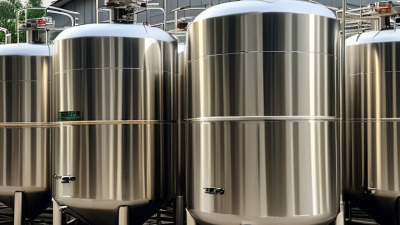
| Materials of Construction | Liquid tanks are often made from high-density polyethylene, with steel or polymer reinforcement. Specialized tanks may use stainless steel, composite materials, or replaceable liners. | Chemical compatibility depends on concentration, temperature, exposure time, and container material. | Check a current compatibility chart and obtain technical confirmation for aggressive, oxidizing, solvent-based, or temperature-sensitive products. |
| Product Identification | Each filled tote should identify the product name, concentration, hazard classification, batch or lot reference, fill date, and responsible department. | Do not rely on color, shape, or an unreadable label to identify contents. | Replace missing or damaged labels and keep the product safety data sheet accessible to workers. |
| Filling Procedure | Place the tote on a stable, level surface; verify compatibility; inspect the tank; connect grounded filling equipment where required; and fill at a controlled rate. | Prevent overfilling, splashing, static discharge, and uncontrolled pressure buildup. Keep the fill opening secured when not in use. | Use level indicators, scales, or a metered filling system and record the actual quantity loaded. |
| Storage Surface | Store totes on a firm, level, load-rated floor or spill-containment platform that supports the complete filled weight. | Do not place filled totes on unstable ground, damaged pallets, uneven ramps, or surfaces that cannot support the load. | Keep the area free of drains, ignition sources, vehicle impact hazards, and obstructions. |
| Environmental Conditions | Protect totes from prolonged ultraviolet exposure, extreme heat or cold, precipitation, and incompatible materials. | Follow the product-specific storage temperature range. Do not heat a tote unless the tank and product are approved for that method. | Use suitable shade, ventilation, insulation, or temperature control when required by the product safety data sheet. |
| Segregation | Separate incompatible substances such as acids and bases, oxidizers and organic materials, and water-reactive products and water sources. | Maintain separation distances and containment arrangements required by local regulations and the product safety data sheet. | Use clearly marked storage zones and verify compatibility before placing a new tote in an existing area. |
| Secondary Containment | A spill pallet, bund, tray, or other containment system can collect leaks and reduce the risk of environmental release. | Containment capacity must be selected according to the applicable local, regional, and national requirements and the number of containers stored. | Inspect containment for cracks, blocked drains, accumulated liquid, and adequate free capacity. |
| Forklift Handling | Move totes with a forklift or pallet truck rated for the filled load, using forks that fully support the pallet base. | Keep the load low, travel slowly, avoid sudden turns, and do not lift from the cage unless the design specifically permits it. | Center the forks, secure the load where necessary, and follow site traffic and lifting procedures. |
| Manual Handling | Filled totes are generally too heavy for manual lifting and should be moved mechanically. | Never push, pull, roll, drag, or tilt a filled tote by hand or by its valve, cap, cage, or hoses. | Use approved handling equipment and trained operators for positioning and movement. |
| Discharge and Transfer | Connect compatible hoses and fittings, verify valve alignment, open the valve gradually, and use a pump or gravity transfer method suitable for the product. | Relieve pressure safely before disconnecting. Prevent hose whip, splashes, leaks, and unauthorized access to the valve. | Use drip trays, shutoff controls, secure hose connections, and a documented transfer checklist. |
| Grounding and Bonding | Grounding and bonding may be necessary when transferring flammable or combustible liquids or when static electricity could create a hazard. | Follow the product safety data sheet, electrical classification requirements, and site static-control procedures. | Verify connections before transfer and use suitable conductive or static-dissipative equipment where required. |
| Personal Protective Equipment | PPE may include chemical-resistant gloves, protective eyewear or a face shield, protective clothing, and safety footwear. | Select PPE based on the product hazard, exposure route, concentration, and task. Respiratory protection requires a suitable program and fit testing. | Inspect PPE before use and provide access to eyewash and emergency shower facilities when corrosive or irritating materials are handled. |
| Transportation Preparation | Before shipment, inspect the tank, close and secure all openings, protect the valve, confirm labels and documentation, and check that the load is within transport limits. | Use the transport mode's applicable dangerous-goods rules, including packaging, marking, labeling, documentation, and vehicle requirements. | Verify shipment classification and carrier requirements before loading. |
| Load Securing | Secure totes against sliding, tipping, impact, and shifting with suitable restraints and load-bearing surfaces. | Do not rely on the tote valve, cage, or flexible packaging as the primary restraint. | Inspect tie-downs, blocking, bracing, and vehicle floor condition before departure and after significant stops. |
| Routine Inspection | Inspect before filling, before movement, during storage, and after transport or impact. | Remove damaged, leaking, contaminated, or unidentified totes from service and place them in a controlled area. | Record inspection dates, findings, corrective actions, and the disposition of rejected containers. |
| Cleaning and Reuse | Reusable totes must be cleaned using a method compatible with the previous contents, tank material, valve, and liner. | Do not reuse a container for a different product until residues, labels, and contamination risks have been evaluated. | Use documented cleaning, inspection, drying, and relabeling procedures. Manage wash water as required by applicable regulations. |
| Spill Response | Stop the source only when it is safe, isolate the area, protect drains, and use absorbents or recovery equipment suitable for the material. | Avoid contact, ignition sources, incompatible cleanup agents, and entry into enclosed or poorly ventilated spaces. | Follow the emergency plan and product safety data sheet; notify emergency services or authorities when required. |
| End-of-Life Disposal | An empty tote may still contain hazardous residue and should not be treated as ordinary waste until properly drained, cleaned, and assessed. | Do not cut, weld, burn, crush, or modify a container that may contain flammable or hazardous residue. | Use an authorized waste contractor or approved recycling route and retain required waste records. |

A tote tank, often called an intermediate bulk container, stores liquids, powders, and semi-viscous materials in a rigid cage with a pallet base. Its standard shape supports forklift handling and efficient warehouse stacking. Cleaning, reuse, and disposal require more care than its simple appearance suggests.
After emptying, operators should identify the previous contents, drain valves, gaskets, and hidden residue. A clean-looking interior is not proof of safety. The correct cleaning method depends on chemical compatibility, temperature, pressure, and wastewater controls. Rinsing alone may leave films inside corners. Professional inspection should check cracks, ultraviolet damage, distorted frames, and weakened lifting points. Reuse is reasonable when the tank passes documented inspection and its next contents are compatible. I would not reuse one after an uncertain history. That decision can be expensive.
The OECD Global Plastics Outlook (2022) reports that only 9% of plastic waste was recycled worldwide in 2019. Reusing a serviceable tank can reduce material demand, but damaged units need controlled disposal. Facilities should separate plastic bottles, metal cages, valves, and contaminated components where local systems allow. The U.S. Environmental Protection Agency’s Sustainable Materials Management data also emphasizes source reduction and reuse before recycling. Disposal records should identify the material, cleaning status, and receiving facility. Never assume a rinse makes residue harmless. Practical judgment matters.