What is a Water Supply Tank and How Does It Work?
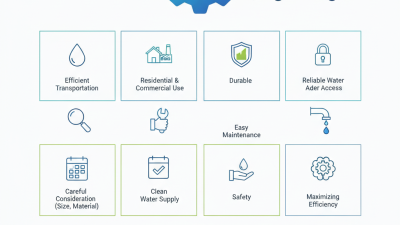
Water supply tanks play a crucial role in efficiently managing our water resources. According to the World Health Organization, about 2 billion people lack reliable access to clean water. Water supply tanks help bridge this gap by storing water for residential and industrial use. These tanks are designed to balance supply and demand, ensuring that communities have access to water even during peak usage times.
In addition, the American Water Works Association reports that effective water storage can reduce pressure on distribution systems. This can lead to lower operational costs. However, many water supply tanks suffer from neglect and corrosion. Regular maintenance is often overlooked, leading to water quality issues and inefficient delivery. Addressing these challenges is vital for safeguarding public health.
Understanding how water supply tanks operate is essential for ensuring efficient water distribution. As populations grow, the demand for water continues to rise. Without effective storage solutions, communities may face severe shortages. By prioritizing the maintenance and management of water supply tanks, we can promote a sustainable water future.

What is a Water Supply Tank? Definition and Purpose Explained
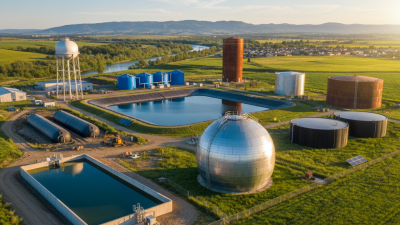
A water supply tank is a crucial component in many residential and commercial systems. It serves the primary purpose of storing water for various uses, such as irrigation and household consumption. The tank can be above ground or underground, depending on the needs and space availability. Water supply tanks help maintain a steady water flow, especially during peak usage times or when supply issues arise.
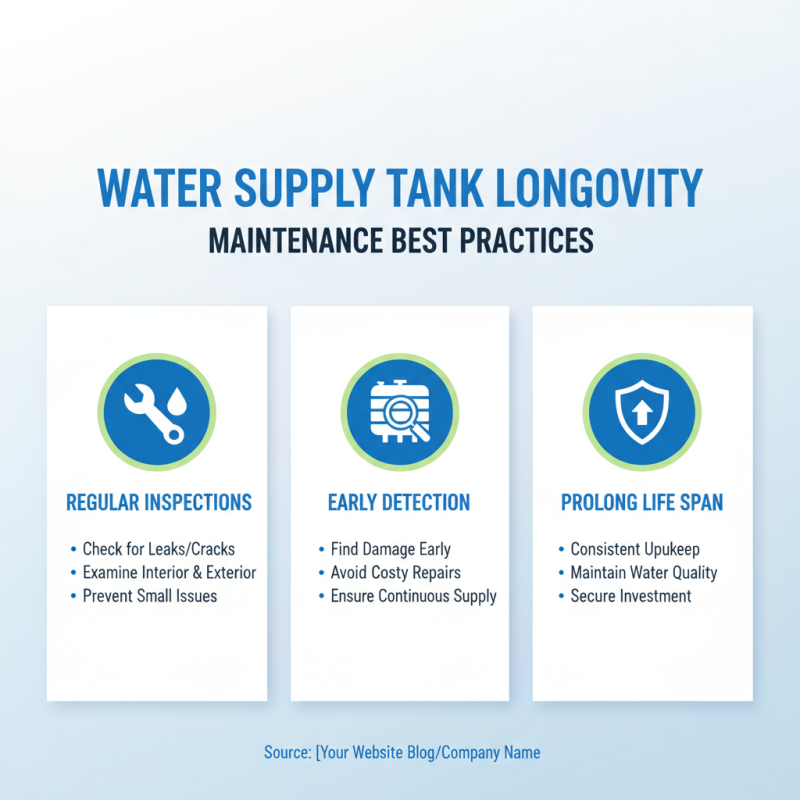
Regular maintenance is vital for the longevity of water supply tanks. Inspecting for leaks and cleaning sediment buildup can prevent problems. A clean tank ensures the water quality remains high. Sometimes, it’s easy to overlook these tasks, but ignoring them can lead to greater issues.
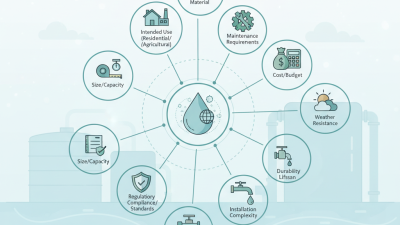
When choosing a tank, consider its size and materials. A tank that is too small may lead to water shortages. On the other hand, an oversized tank can waste resources. Consulting with a water specialist can provide valuable guidance. All choices made should prioritize efficiency and sustainability. Pay attention to these factors for optimal results.
Water Supply Tank Capacity Comparison
This bar chart illustrates the distribution of water supply tanks based on their capacity. It categorizes tanks into different volume ranges and shows how many tanks fall into each category, providing insights into common sizes used for water supply systems.
Types of Water Supply Tanks: Choosing the Right One for Your Needs
When selecting a water supply tank, it's important to consider various types to find the right fit for your needs. There are three common types: above-ground, underground, and elevated tanks.
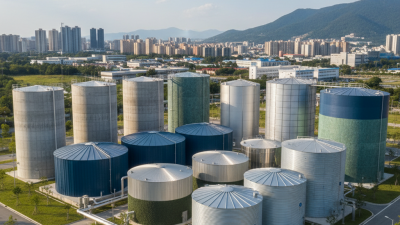
Above-ground tanks are easy to install and maintain. They are often made from durable materials like fiberglass or polyethylene. However, these tanks may be vulnerable to environmental factors like weather and pests.
Underground tanks offer protection from the elements. They take up less space on the surface, making your property look tidier. However, installing these tanks can be more complex and costly.
Elevated tanks, on the other hand, use gravity to distribute water. They require careful planning due to height and structural considerations. These tanks can be quite large and should be designed to minimize risks.
Choosing the right tank isn't always straightforward. Each type has its pros and cons. You might face challenges like local regulations or land size. If unsure, consult experts in water management. Their insights can guide you in making an informed decision. Remember, investing time in the selection process can prevent future issues.
How Water Supply Tanks Operate: Key Mechanisms and Components
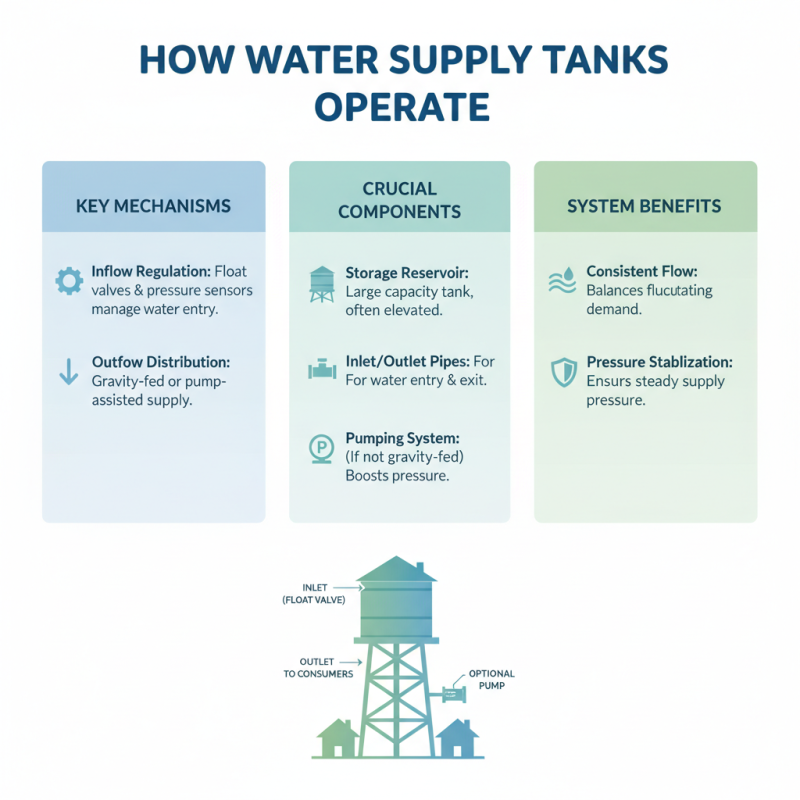
Water supply tanks play a crucial role in managing and providing water for various needs. These tanks ensure a consistent flow, especially in areas with fluctuating demand. Understanding their operation helps in appreciating how they fit into the larger water supply system.
The key components of a water supply tank include the tank itself, pumps, and valves. The tank can be made of steel, concrete, or plastic. Pumps are vital for moving water in and out. Valves control flow direction and manage pressure. The mechanism is straightforward but essential. When water fills the tank, pressure builds up. This pressure allows water to flow out when needed.
Unexpected challenges can arise. For instance, sediment buildup can affect water quality. Regular maintenance is necessary to prevent leaks. Operators must monitor water levels and pressure. While these systems are designed to be robust, human error or equipment failure can lead to disruptions. Reflecting on these vulnerabilities is crucial for improving system reliability.
Factors Influencing Water Supply Tank Capacity and Sizing Decisions
When considering water supply tanks, there are several crucial factors that influence their capacity and sizing decisions. One significant aspect is the expected daily water demand. According to the Water Research Foundation, average water usage can range from 50 to 100 gallons per person per day. This demand varies depending on factors like local climate, population density, and consumption habits. Sizing a tank often necessitates taking peak usage into account, ensuring there is enough supply during high-demand periods.
Another critical factor is the tank location. Tanks positioned above ground might require more materials for structural integrity. In contrast, underground tanks often involve excavation costs. Additionally, local regulations may dictate tank sizing and placement, which can complicate decision-making. Notably, environmental concerns also play a role. Tanks must be able to withstand seismic activities, especially in quake-prone regions. The International NHF guidelines recommend a minimum of 10% buffer capacity to cater to unforeseen fluctuations.
Lastly, maintenance considerations can impact sizing. Larger tanks may provide more water, but can also become harder and more expensive to maintain. Many times, investors overlook the lifecycle costs associated with larger capacities. Conducting a thorough cost-benefit analysis will help determine whether extra capacity is truly necessary. Balancing these factors requires careful planning and expertise to make the right decisions.