Top Tips for Choosing a Jacketed Stainless Steel Tank?
Choosing the right jacketed stainless steel tank is crucial for various industries. John Smith, a leading expert in tank manufacturing, states, "The correct selection can enhance efficiency and safety." With his extensive experience, he emphasizes the importance of understanding your specific needs before making a decision.
When evaluating jacketed stainless steel tanks, consider factors like size, insulation, and intended use. The tank’s design should align with your production processes. Will it handle high-pressure environments? Think about the thickness of the steel—this can affect durability and performance.
Don't overlook maintenance requirements. A well-maintained tank lasts longer and performs better. Ask yourself if the tank’s design allows for easy cleaning and inspection. In the end, having the right jacketed stainless steel tank can significantly impact your operational success, but it requires careful thought and attention to detail.
Understanding Jacketed Stainless Steel Tanks and Their Applications
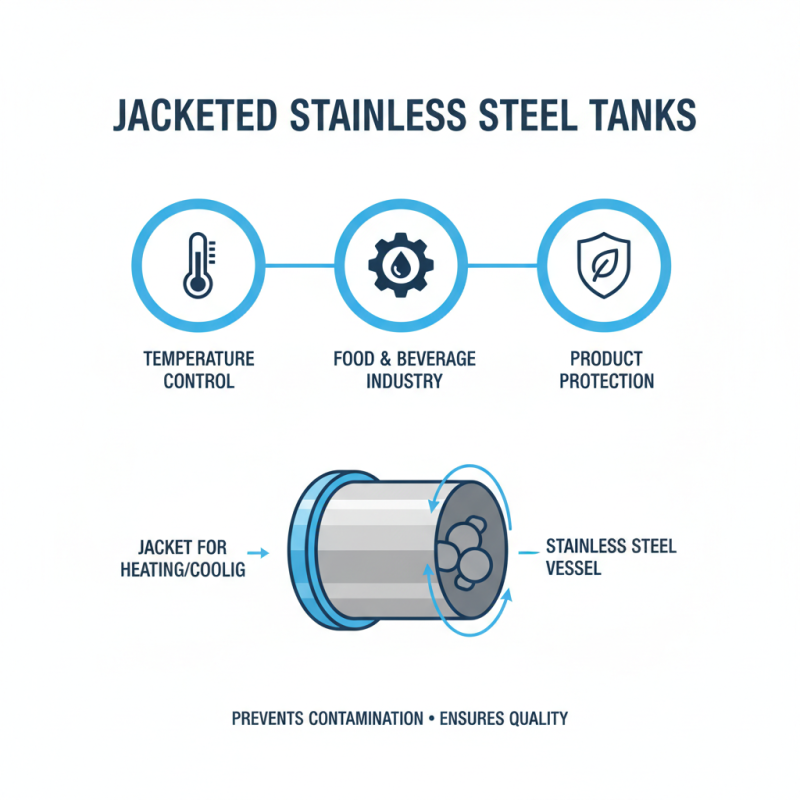
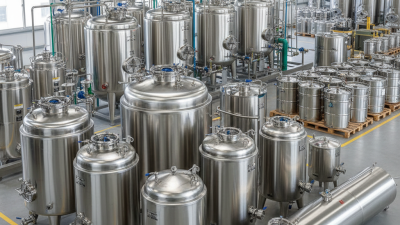
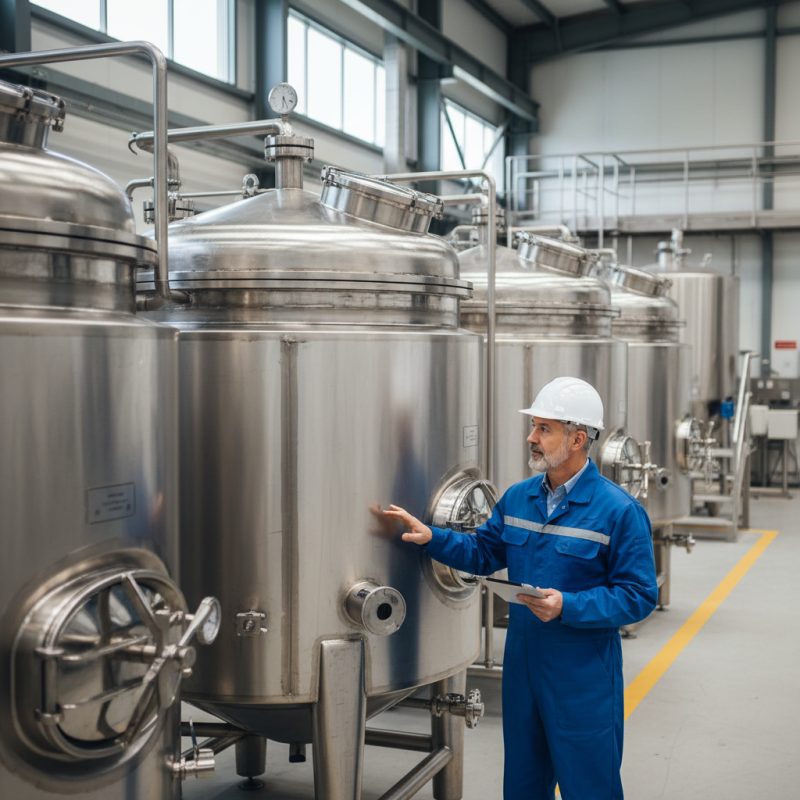
Jacketed stainless steel tanks are essential in various industries. They are specially designed for temperature control. Food and beverage industries often use these tanks. They provide a protective layer for products sensitive to heat. This prevents contamination and ensures quality.
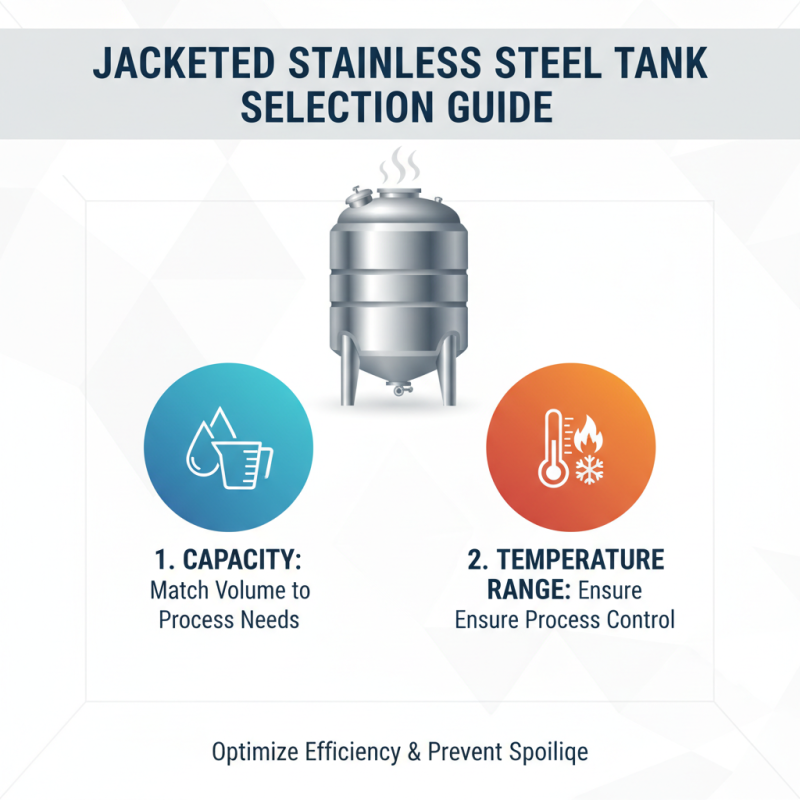
When choosing a jacketed tank, think about its size. A tank too large may waste energy. A small tank might not hold enough product. It's vital to consider your processing needs. The tank's insulation must also be adequate. Poor insulation leads to temperature fluctuations. This can affect the final product's safety and effectiveness.
Look into the tank's construction. Ensure it is made of high-quality materials. Sometimes, the surface finish isn’t perfect. This can cause issues like corrosion. Reflect on the importance of regular maintenance. A neglected tank can lead to significant problems over time. Regular inspections are crucial for longevity.
Material Quality and Construction Standards for Stainless Steel Tanks
When selecting a jacketed stainless steel tank, material quality is paramount. High-grade stainless steel, such as 304 or 316L, is recommended for its corrosion resistance and durability. According to industry reports, 316L steel offers better resistance to pitting and chloride corrosion compared to 304. This is critical for facilities that process aggressive substances or operate in humid environments.
Construction standards also play a crucial role in the longevity of the tank. Tanks should meet or exceed ASME specifications to ensure structural integrity. Additional certifications can show compliance with stringent industry regulations. For instance, the FDA approval is vital for tanks used in food or pharmaceutical industries. Inspections should be performed regularly to identify potential weaknesses, as even minor flaws in welding can lead to significant failures over time.
Consider the design features too. A well-designed jacket system allows for better temperature control. However, not every tank comes with an optimal design. Some may not provide even heat distribution, which can affect product quality. Investing in a tank with adjustable jackets can allow for more flexibility. Finding the right balance of quality and design involves careful evaluation. This process can often expose the gaps in current offerings within the market.
Importance of Jacket Design and Insulation in Temperature Control
When selecting a jacketed stainless steel tank, the jacket design is crucial. A well-designed jacket ensures even heat distribution. This is vital for processes requiring precise temperature control. The jacket surrounds the tank and contains a heating or cooling medium, maintaining optimal conditions for stored materials.
Effective insulation plays a role too. Proper insulation minimizes heat loss. This can enhance energy efficiency and reduce costs over time. Insulation materials should be durable and capable of withstanding various temperatures. Look for tanks that combine robust insulation with effective jacket design.
Consider these tips when making your choice. Ensure the tank's size and shape fit your workspace. Evaluate the tank's welded joints for leaks. Check if the heating elements are accessible for maintenance. These factors can influence your operations significantly. Making the right decision is not always straightforward. Reflecting on your specific needs can lead to better outcomes.
Top Tips for Choosing a Jacketed Stainless Steel Tank
| Aspect |
Importance |
Recommendation |
| Jacket Design |
Critical for even heat transfer |
Opt for a well-structured jacket for optimal performance |
| Insulation |
Helps maintain temperature and reduces energy costs |
Use high-quality insulation materials |
| Material Quality |
Ensures durability and resistance to corrosion |
Select tanks made from high-grade stainless steel |
| Size and Capacity |
Affects the volume and flow of materials |
Choose an appropriate size based on your needs |
| Manufacturer Reputation |
Indicates reliability and service support |
Research well-rated manufacturers |
Evaluating Cost and Efficiency for Your Specific Tanking Needs
When choosing a jacketed stainless steel tank, cost is a vital consideration. Budget constraints can limit options, but the tank's long-term efficiency often justifies higher upfront costs. Look at the material quality. Premium stainless steel improves durability. Cheaper options may save money now but could lead to increased maintenance later.
Efficiency is another point to ponder. Evaluate insulation properties. A well-insulated tank minimizes energy loss. This can save you money on heating or cooling costs. However, be aware that thicker insulation can add to initial expenses. Balancing these factors requires careful thought. Data from previous projects can guide decisions, but don’t overlook your specific needs.
A tank that meets your current requirements might not suit future demands. Consider potential expansion or changes in production. Sometimes, it is worth investing in a more versatile tank. It can prevent the hassle and cost of later replacements. Reflect on these aspects to ensure the best choice for your unique situation.
Cost and Efficiency Comparison of Jacketed Stainless Steel Tanks