How to Choose a Jacketed Stainless Steel Tank in 2026?
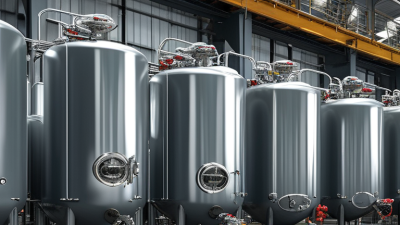
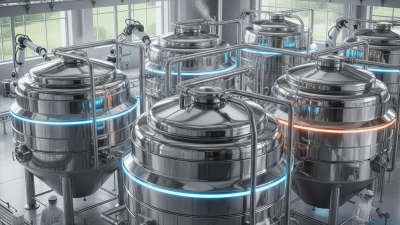
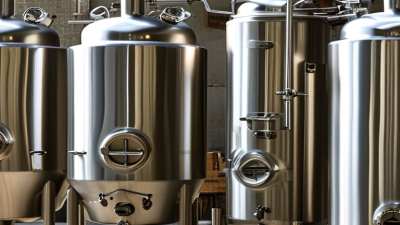
Choosing the right jacketed stainless steel tank in 2026 requires more than comparing volume and price. Process conditions decide performance. A 500-liter vessel for yogurt behaves differently from one used for solvents, syrups, or high-viscosity creams. The wrong jacket design can create cold zones, uneven heating, or cleaning delays.
Recent industry research supports this careful approach. The Grand View Research Stainless Steel Market Size, Share & Trends Analysis Report, 2024–2030, highlights continued demand from food, beverage, pharmaceutical, and chemical processing. PMMI’s 2024 industry reports also emphasize automation, hygienic design, energy efficiency, and operational flexibility. These trends directly affect tank selection. Buyers should examine heat-transfer area, working volume, agitator geometry, drainability, insulation, and control integration. A polished surface alone is not proof of sanitary performance.
Details matter.
For example, a tank processing 2,000 liters of viscous sauce may need a scraped-surface agitator and stronger motor sizing. A temperature-sensitive pharmaceutical batch may require validated sensors, controlled ramp rates, and documented surface finishes. Standards such as ASME Section VIII, EN 13445, and 3-A Sanitary Standards may apply, depending on location and use. Local regulations and customer specifications still require confirmation.
This guide explains how to compare these factors before approving a quotation. It also questions common assumptions, including the belief that thicker steel always means better quality. That is not necessarily true. Poor welding, weak jacket circulation, or incomplete cleaning access can undermine an expensive tank. The best decision balances safety, process evidence, lifecycle cost, and future production needs.
Define Your Process Requirements and Operating Conditions
Before comparing tank dimensions, define what the process must do. Record the working and maximum batch volumes, including low-fill conditions. Note the product’s viscosity, solids content, and sensitivity to temperature changes. These details affect agitation, heat transfer, and usable capacity. Small details matter. A tank that performs well at full volume may heat unevenly during a short, low-volume batch.
List normal and worst-case operating conditions: product temperature, jacket-fluid temperature, pressure, vacuum, and heating or cooling time. Include the frequency of temperature changes and the required control accuracy. A jacket is not a cure-all. Its design must match the heat load, fluid flow, and tank geometry; jacket area alone does not predict performance. Record actual readings from existing equipment when possible. Estimates can be misleading, especially when batch times vary.
Check product compatibility with the proposed stainless steel grade, and consider cleaning chemicals, chloride exposure, and cleaning method. Specify the agitator, expected mixing pattern, and any internal fittings that may affect circulation or cleaning access. Confirm pressure ratings and temperature limits for both the vessel and jacket. Leave room for instruments and maintenance. A process team may discover that one assumption was wrong; revise the specification before approving a final design.
Select a Jacket Design for Heating or Cooling Needs
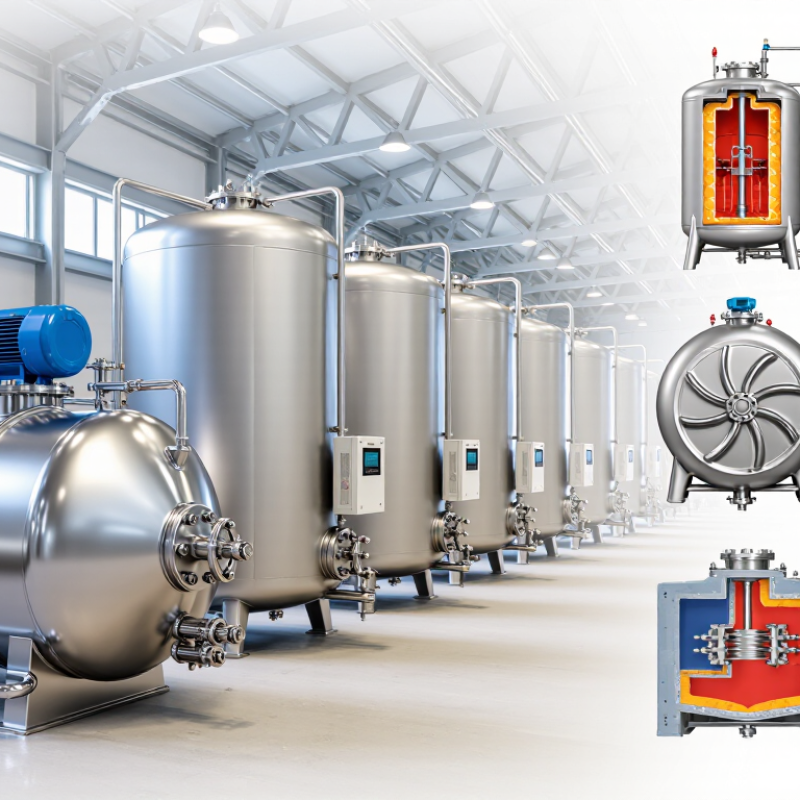
A jacketed stainless steel tank should match the way heat moves through your product, not just the target temperature. For gentle heating or cooling, a full external jacket can provide broad contact with the vessel wall. It suits many liquid processes, though performance depends on product thickness, agitation, and the temperature difference between the fluid and the tank. Small details matter.
Dimple jackets use formed recesses to guide heating or cooling fluid across the shell. They can be a practical choice when lower fluid volume or a compact design is important. Half-pipe coil jackets use welded channels around the tank and are often considered for higher-pressure service. But they add welds and surfaces that need careful inspection. There is no universal winner.
Look at the actual operating cycle. A tank that cools a thin beverage has different needs from one heating a viscous mixture that moves slowly. Ask the supplier for heat-transfer calculations based on your product, batch size, agitation, and utility temperatures. Check the jacket’s pressure rating, drainability, and access for maintenance, too. One easy-to-miss point: a well-sized jacket cannot compensate for poor mixing. I would avoid choosing from a drawing alone; confirm the assumptions against your process, because real batches can behave differently.
How to Choose a Jacketed Stainless Steel Tank in 2026
Typical utility temperature ranges can help define your heating or cooling duty before you select a jacket design.
Ranges are typical examples, not design limits. Actual utility temperatures depend on the process and site conditions. Full jackets suit broad-area heat transfer; dimple jackets or half-pipe coils may be considered when pressure, mechanical strength, or heat-transfer requirements call for them.
Verify Pressure Ratings, Safety Features, and Applicable Standards
When comparing a jacketed stainless steel tank, check the vessel and jacket pressure ratings separately. They contain different fluids and may operate at different pressures and temperatures. A rating stamped on the shell does not automatically cover the jacket. Confirm the design conditions against your actual process, including cleaning cycles, heating, cooling, and possible vacuum exposure.
Ask for drawings, nameplates, material records, and pressure-test documentation. Verify that relief devices are sized for credible overpressure scenarios and installed where they can function properly. Check the gauges, temperature sensors, and controls, too. Do not guess. A tidy certificate can still leave questions about the jacket circuit or a later modification. That deserves a second look.
Applicable standards depend on the tank’s location, service, and construction. In some installations, pressure-vessel rules such as ASME Section VIII may apply; confirm this with a qualified engineer and the relevant authority. For food or pharmaceutical use, also review hygienic design, surface finish, drainability, and material compatibility requirements. Ask who performed inspections, what was tested, and when. Ratings matter, but so does the evidence behind them. A small gap in the paperwork is not proof of a defect, though it should be resolved before purchase or operation.
Compare Controls, Fabrication Quality, and Lifecycle Costs
A jacketed stainless steel tank should be judged by temperature control, fabrication quality, and lifetime operating cost—not purchase price alone. Specify the required heating and cooling range, then check whether the controls use calibrated sensors, stable PID regulation, and independent over-temperature protection. Ask for temperature-mapping results under a realistic fill level; an empty-tank test may not reveal cold spots around a thick product.
Fabrication details matter.
Review weld inspection records, surface-finish requirements, jacket pressure testing, and drainability. A rough seam or poorly sloped outlet can trap residue and add cleaning time. Request documentation, not just assurances.
The International Stainless Steel Forum reports an estimated 85% end-of-life recycling rate for stainless steel, but recyclable material does not erase the energy, repair, or downtime costs of a poorly specified vessel. Compare expected service life, utility use, maintenance access, and the cost of production interruptions. The numbers may be imperfect; state your assumptions.
Tips: Compare quotes using the same operating conditions and warranty period. Check that temperature probes are accessible for calibration, and ask how the jacket is tested. Small omissions add up. A modestly cheaper tank can become expensive if it heats slowly or needs frequent cleaning.