What is a chemical mixing tank and how does it work?
A chemical mixing tank is an essential piece of equipment in many industries. It facilitates the blending of various substances to create a homogeneous mixture. These tanks vary in size and design, depending on specific requirements.
In a practical setting, a chemical mixing tank can combine liquids, powders, or gases. It uses mechanical agitation to ensure even mixing of components. Each tank often includes features like temperature control, pressure regulation, and safety mechanisms. Proper design and operation are vital for optimal results.
Understanding the functionality of a chemical mixing tank can improve efficiency. However, improper use can lead to complications. Operators should be trained and knowledgeable. This ensures that all mixtures are safe and effective. Reflecting on operational practices can enhance outcomes and reduce risks.
Definition and Purpose of a Chemical Mixing Tank
A chemical mixing tank is designed to blend various substances. Its primary purpose is to ensure uniformity in the mixture. This is crucial in industries like pharmaceuticals, food, and chemicals, where consistent quality is essential. The tank usually features a stirrer or agitator. This mechanism helps achieve the desired consistency, ensuring all ingredients are well combined.
The design of a mixing tank can vary. Some have heating or cooling elements integrated into them. This temperature control can enhance the reaction process. For instance, some chemical reactions require precise temperature settings to occur efficiently. However, there can be challenges. Selecting the right mixer is critical but often overlooked. An inadequate mixer may lead to uneven blending, impacting product quality.
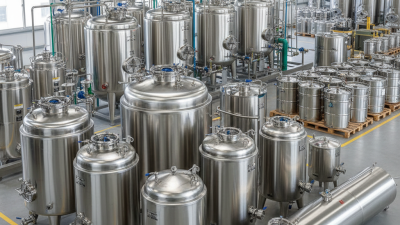
Materials used to construct these tanks are important. They must withstand corrosive substances and high pressure. Stainless steel is commonly used for its durability. However, not all tanks are equally effective. Sometimes, the mixing process may need adjustments. This can be due to batch size or the nature of the materials involved. Engaging experts in the field can help optimize tank performance. Their insights can minimize errors and improve reliability.
Components of a Chemical Mixing Tank
A chemical mixing tank is essential in various industries. Its primary purpose is to combine different substances to achieve a specific blend. Understanding its components can enhance efficiency and safety.
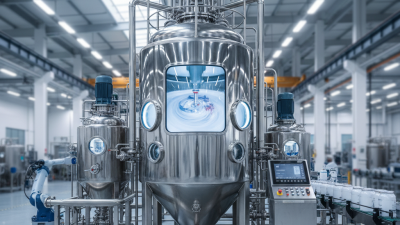
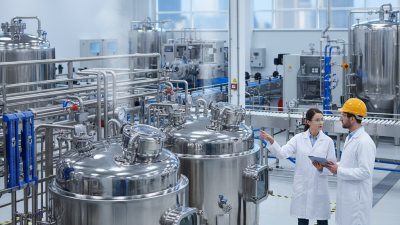
The primary components of a chemical mixing tank include the tank body, agitator, motor, and control systems. The tank body is usually constructed from materials resistant to corrosion and chemicals. Agitators come in various designs, such as turbine or paddle types, to ensure optimal mixing. They can operate at different speeds, affecting the mixing rate and quality.
Control systems facilitate monitoring parameters like temperature and pressure. Flow meters and sensors are also commonly integrated. According to a report by the Mixing Equipment Association, proper mixing efficiency can increase production by up to 25%. Yet, improper maintenance of components can lead to significant downtime. Regular inspections are crucial, as worn-out parts may compromise the mixing process.
How Chemical Mixing Tanks Operate
A chemical mixing tank is designed for blending various substances. These tanks are vital in industries like chemistry, pharmaceuticals, and food processing. They ensure uniform mixing of solids, liquids, and gases. Each tank typically features an agitator or mixer that promotes interaction among materials.
The operation of a chemical mixing tank is straightforward. When materials are loaded, the mixer begins to stir. This motion allows components to interact, ensuring a consistent final product. The design of tanks varies based on the expected viscosity and the nature of the materials. It's crucial to monitor mixing time and speed to avoid unwanted reactions.
Using the right equipment is essential. Incorrect mixing speeds can lead to incomplete reactions. Check for scaling or wear on mixing blades to maintain efficiency. Regular maintenance helps in achieving optimal performance. Some factors, like the temperature and pressure within the tank, can influence mixing. Understanding these elements can enhance the mixing process greatly. Experimentation sometimes leads to discovering the ideal conditions.
Types of Chemical Mixing Tanks and Their Applications
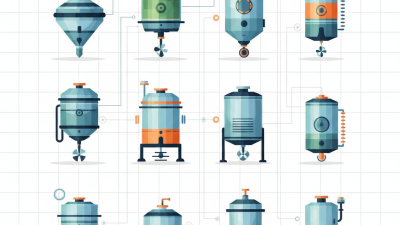
Chemical mixing tanks come in various designs, each tailored to specific applications. Some common types include batch mixing tanks, continuous mixing tanks, and vacuum mixing tanks. Batch mixing tanks are often used in smaller operations. They mix ingredients in a closed environment, ensuring consistency. These tanks are great for producing chemicals on a smaller scale.
Continuous mixing tanks, on the other hand, serve larger operations. They allow for a seamless flow of materials. This design is ideal for large-scale production where constant mixing is required. Vacuum mixing tanks help prevent oxidation during the blending process. They are essential when working with sensitive chemicals.
In practice, the selection of a mixing tank should consider the materials being mixed. Temperature sensitivity and viscosity play a significant role. Some tanks may require heating or cooling systems. Not all mixing tanks are created equal. Misjudging your needs may lead to inefficiencies. Consideration of tank size, mixing method, and material compatibility is essential.
What is a chemical mixing tank and how does it work? - Types of Chemical Mixing Tanks and Their Applications
| Type of Tank |
Working Principle |
Common Applications |
Materials Used |
| Agitated Tank |
Utilizes a mechanical agitator to stir and mix chemicals. |
Pharmaceuticals, food processing, and chemical production. |
Stainless steel, glass-lined, or plastic. |
| Static Mixer |
Employs fixed elements within a pipe to create turbulence for mixing. |
Oil and gas industry, wastewater treatment, and food processing. |
Plastic or metal materials. |
| Batch Mixer |
Mixes discrete batches of substances together before discharging. |
Paints, inks, and adhesives production. |
Carbon steel, stainless steel. |
| Continuous Mixer |
Maintains a constant flow of materials for ongoing mixing. |
Petrochemical, plastic compounding, and food production. |
Metal, glass, or specialized polymer materials. |
Maintenance and Safety Considerations for Chemical Mixing Tanks
Chemical mixing tanks are essential in various industries. They blend different substances to create uniform products. However, reliable performance hinges on maintenance and safety measures.
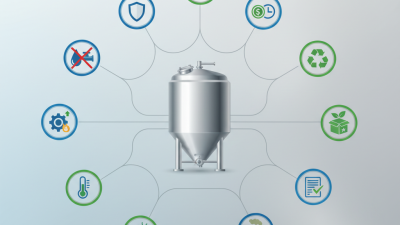
Regular inspections ensure the tank’s integrity. Look for corrosion, leaks, and signs of wear. Staying vigilant can prevent costly breakdowns. Additionally, always verify that safety systems, such as emergency shut-off valves, are functional. Neglecting these checks can lead to serious accidents.
Proper training for operators is crucial. They should understand mixing procedures and emergency protocols. Misunderstanding can result in hazardous situations. Encourage staff to report any irregularities promptly.
Keep the area around the tank clean and organized. Clutter can increase the risk of accidents and complicate emergency responses. Ensure all safety data sheets are accessible. This provides immediate information on potential hazards. Regular drills can enhance preparedness in case of emergencies.