Top 10 Benefits of Using IBC Storage Tanks for Your Business Needs
In today's competitive business landscape, efficiency is crucial for success. Many industries are turning to IBC storage tanks for their operational needs. These tanks, with a capacity of up to 1,100 liters, offer significant advantages in storage and transport. According to a recent market report, the global IBC market is projected to grow by 5.5% annually, indicating a strong industry shift.
Utilizing IBC storage tanks not only enhances space efficiency but also improves the safety of stored materials. Their design minimizes spillage and contamination risks, safeguarding both products and the environment. However, some businesses may overlook the importance of proper maintenance. Regular inspections are essential to ensure tanks remain in optimal condition. Without them, businesses risk costly failures or degraded product quality.
Cost-effectiveness is another important aspect of IBC storage tanks. By reducing the need for multiple smaller containers, companies can streamline their operations. Yet, balancing initial investment with long-term benefits is a challenge. It's vital for decision-makers to evaluate their specific needs and assess whether IBC storage tanks align with their goals.
Advantages of IBC Storage Tanks in Various Industries
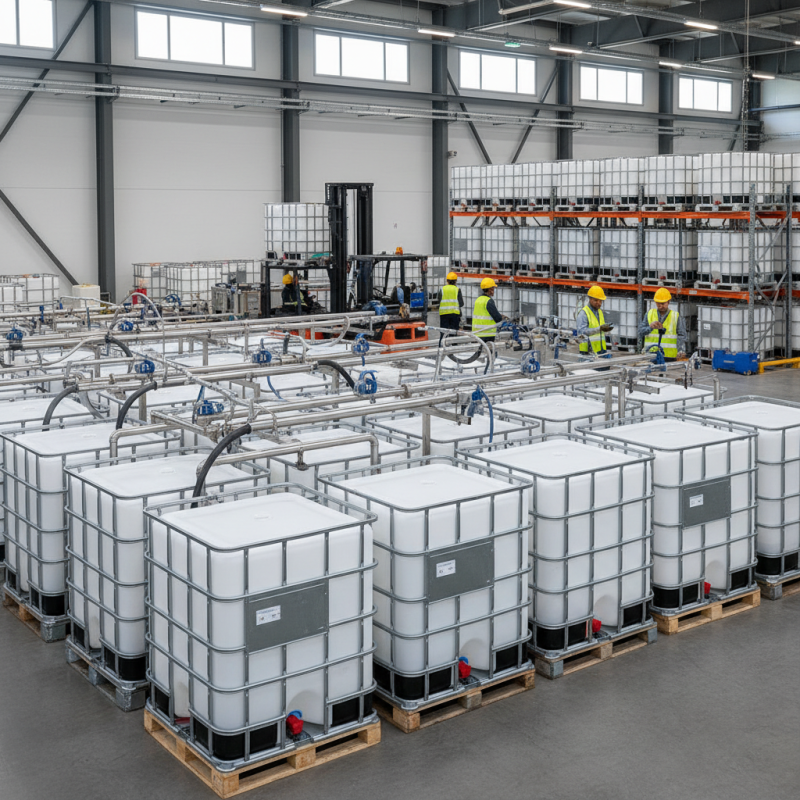
Intermediate Bulk Containers (IBCs) have become essential in many industries. They are versatile and highly durable. These tanks can store liquids, powders, and granular materials. Their design is often space-efficient, making them perfect for facilities with limited room. Businesses from food processing to chemicals use IBCs to meet various storage needs.
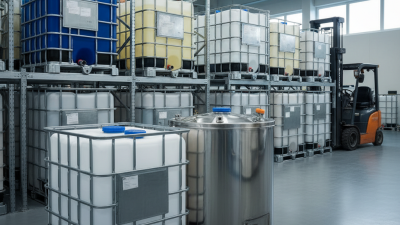
One significant advantage is their easy handling. Many IBCs have forklift pockets for quick transport. This feature allows staff to move them without complicated machinery. In sectors like agriculture, these tanks help in storing fertilizers or pesticides safely. Additionally, IBCs help in ensuring compliance with safety regulations. However, businesses must regularly inspect these tanks for leaks and damage.
Moreover, IBCs can be reused and repurposed. This approach benefits the environment by reducing waste. Many companies are looking at sustainability. Nevertheless, some facilities struggle with the logistics of cleaning and returning IBCs. This can be a challenge to maintain efficiency. A consistent evaluation of the process is necessary to optimize usage.
Top 10 Benefits of Using IBC Storage Tanks for Your Business Needs
| Benefit |
Description |
Applicable Industries |
| Space Efficiency |
IBC tanks are compact and stackable, saving valuable warehouse space. |
Manufacturing, Food Processing |
| Cost Effectiveness |
Reduced shipping costs due to higher storage capacity. |
Logistics, Agriculture |
| Durability |
Made from high-density polyethylene, strong and resistant to impact. |
Chemical, Oil & Gas |
| Versatility |
Suitable for a variety of liquids, including hazardous materials. |
Pharmaceutical, Construction |
| Ease of Handling |
Designed for easy transport and pouring. |
Food Industry, Water Treatment |
| Safety Features |
Equipped with safety valves and seals to prevent leaks. |
Chemical, Mining |
| Regulatory Compliance |
Meets various industry regulations for storage of hazardous materials. |
Environmental Services, Manufacturing |
| Customizable |
Can be customized to meet specific business needs. |
Various Industries |
| Eco-Friendly |
Designed to minimize waste and promote recycling. |
Sustainability Sector, Agriculture |
| Long-Term Investment |
Durable and cost-efficient, providing value over time. |
All Industries |
Enhanced Space Efficiency with IBC Tanks for Liquid Storage
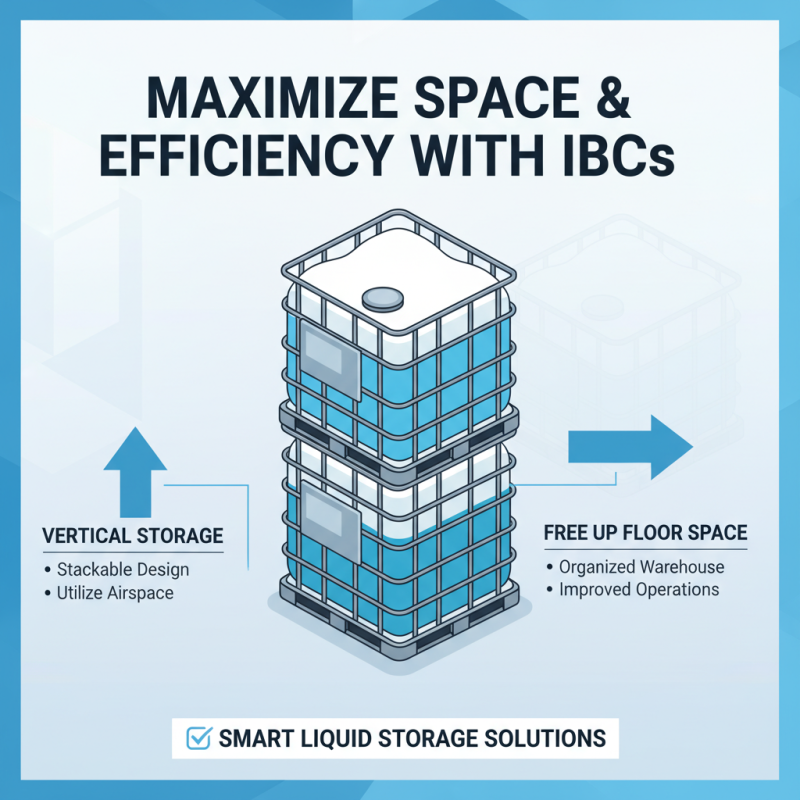
In today’s fast-paced business environment, maximizing space is crucial for operational efficiency. Intermediate Bulk Containers (IBC) are a practical solution for liquid storage. Their design allows for stackability, which helps you use vertical space effectively. Storing IBC tanks can free up valuable floor area, leading to more organized warehouses and production spaces.
Another key aspect is ease of handling. IBC tanks can be moved with forklifts, making transitions smooth. This feature can streamline your processes significantly. However, improper stacking can lead to instability. It's essential to ensure they are placed correctly. While IBC tanks provide various benefits, the need for regular inspections cannot be overlooked. This is vital to avoid leaks or contamination.
Furthermore, consider the challenges of maintaining these tanks. They require proper cleaning and storage to remain efficient. Over time, wear and tear can happen. Not being aware of this can lead to issues. Balancing storage efficiency and maintenance is crucial for maximizing the return on your investment in IBC tanks.
Cost-Effectiveness of IBC Tanks Compared to Traditional Storage Solutions
When evaluating storage options for your business, cost-effectiveness is essential. IBC tanks offer significant savings compared to traditional storage solutions. Their design allows for efficient use of space, which can save money in warehouse rentals. This efficiency means fewer trips to replenish stock, reducing logistics costs.
Maintenance is another area where IBC tanks shine. They require less frequent servicing than older tanks, translating to lower upkeep costs. Businesses can often overlook these savings, focusing instead on initial investment. IBC tanks have a longer lifespan, making them a more reliable choice. However, some may question their adaptability to various materials.
While they suit many applications well, not all businesses will find them perfect. It's critical to assess your specific needs thoroughly. Cost-effectiveness largely depends on the material being stored and how often you need to refill or empty the tanks. Regulatory compliance and compatibility with different substances also play a role in your decision. Therefore, careful consideration is needed before making the switch to IBC tanks for storage solutions.
Improved Safety Features of IBC Tanks for Hazardous Materials
IBC storage tanks offer several advantages for businesses, particularly when it comes to safety. They are designed with improved safety features that protect hazardous materials. These tanks often include anti-siphon devices. This prevents accidental spills during transfer. They also feature built-in pressure relief valves. This reduces the risk of explosion or leaks.
Tips: Regularly inspect your IBC tanks. Look for any signs of wear or damage. Proper maintenance is crucial. Ensure that safety features are functional. Inadequate maintenance can lead to serious accidents.
IBC tanks are often made from durable materials. This helps to prevent contamination. However, it is vital to understand their limitations. Not all chemicals are compatible. Each material has specific storage needs. Make sure to check compatibility charts. It’s essential for safety and compliance. Neglecting this can result in hazardous outcomes.
Top 10 Benefits of Using IBC Storage Tanks for Your Business Needs
This chart illustrates the top 10 benefits of using IBC storage tanks for business needs, highlighting their importance in terms of safety, efficiency, and cost-effectiveness among other factors.
Flexibility and Versatility of IBC Tanks for Different Business Applications
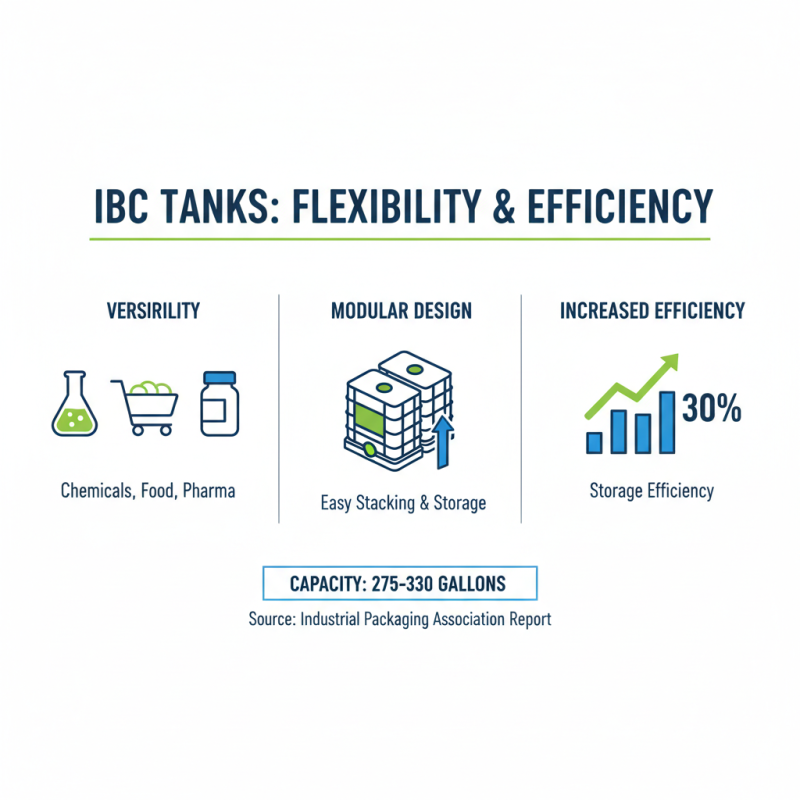
IBC tanks have gained popularity due to their flexibility and versatility in various business sectors. These containers come in different sizes, typically ranging from 275 to 330 gallons. Their modular design allows for easy stacking and storage. Many industries, including chemicals, food, and pharmaceuticals, benefit from using IBC tanks for both storage and transport. According to a report by the Industrial Packaging Association, the use of IBC tanks can increase storage efficiency by up to 30%.
These tanks are not just space savers. They also offer durability. Made from high-density polyethylene and steel, IBC tanks are resistant to many chemicals. However, users must ensure compatibility between the tank material and the stored substance. Some applications may require additional liners for protection. Flexibility is key; IBC tanks can be customized with various fittings and valves. This adaptability makes them suitable for liquid and solid storage needs.
The ease of handling is another aspect to consider. IBC tanks can be moved with pallet jacks or forklifts. This reduces labor costs and increases productivity. Nevertheless, businesses must train staff properly to handle these tanks. Mishandling can lead to spills or contamination issues. Ultimately, while IBC tanks provide numerous benefits, careful consideration of application needs and risks is crucial.